 Abdul
AbdulIn Nigeria, most higher institutions were designed to accommodate only a small portion of their student population. Back in the 1980s and 1990s, the number of students in universities was relatively manageable, and the hostels built during that era were sufficient.
Fast forward to 2025 — the number of students in tertiary institutions has skyrocketed. According to statistics from the National Universities Commission (NUC), Nigeria currently has over 2.3 million students enrolled in various universities, both public and private. However, the available on-campus hostel spaces can barely accommodate 30–35%of this number.
What this means is that for every 10 students, only about three can get a bed space on campus. The remaining seven must look for accommodation off-campus — which usually comes at a much higher cost.
Why Is There a Shortage of Hostels?
There’s no single reason, but rather a combination of several long-standing issues:
1. Overpopulation of Universities
Admission rates have increased, but infrastructure hasn’t kept pace. Universities continue to admit more students than their facilities can support.
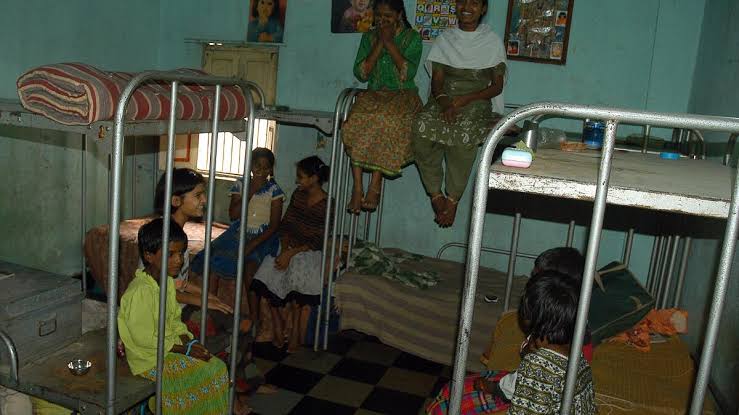
For instance, a hostel meant for 400 students in the 1990s might now house close to 1,200. Some rooms that were originally designed for four people now host as many as ten. The overcrowding not only affects comfort but also leads to faster deterioration of the facilities.
2. Inadequate Funding
Public universities rely heavily on government subventions, which are often insufficient. Building new hostels is expensive, and with limited funding, most institutions prioritize academic facilities over accommodation.
Read Also: 10 High-Demand Courses to Study in Nigeria for Future Relevance
3. Neglect of Maintenance
Even the existing hostels are not well maintained. Leakages, poor sanitation, and outdated structures discourage students from staying on campus. Some prefer to rent off-campus despite the higher costs just to avoid unhealthy living conditions.
4. Limited Private Investment
While some private developers are now investing in student housing, the pace is still slow. Many investors are reluctant due to regulatory hurdles and the perception that students may not be reliable tenants.
5. Urbanization and Land Costs
Universities located in urban centers such as Lagos, Abuja, and Port Harcourt face the additional problem of high land costs. Expanding hostel facilities becomes a costly venture in such cities.
How Hostel Shortage Affects School Fees
Here’s where it gets even more interesting — and concerning. Hostel shortage doesn’t just make accommodation hard to find; it also pushes up fees and living costs for students.
Let’s break it down.
1. Rising Hostel Fees
When demand exceeds supply, prices go up — that’s basic economics. With limited on-campus spaces, universities often increase hostel fees to manage demand. Some now charge between ₦60,000 and ₦150,000 per session, depending on the school and room type.
In elite federal and private universities, prices can soar as high as ₦300,000 or more per bed space.
Students from low-income backgrounds are hit hardest, often forced to live in overcrowded rooms or resort to renting off-campus in areas far from school.
2. Increase in Off-Campus Rent
Landlords around universities have taken full advantage of the situation. In many university towns like Nsukka, Ogbomosho, Ile-Ife, and Akure, rent for a single room has doubled or even tripled over the past five years.
For example, in University of Ilorin, a self-contained apartment that used to go for ₦80,000 per year now costs ₦150,000 or more. Around Federal University Oye-Ekiti (FUOYE), off-campus rents have increased sharply, largely due to the institution’s rapid student population growth and shortage of hostels.
3. Indirect Effect on Tuition and Other Fees
Even though tuition may remain officially low in many federal and state universities, the overall cost of schooling has increased significantly. Students now spend more on transportation, feeding, electricity, and water due to living off-campus.
In short, hostel shortage adds a hidden “extra fee” to education — one that doesn’t show up on the school portal but is felt deeply in students’ pockets
Impact on Student Welfare
Hostel shortage doesn’t only affect the financial side of things; it also touches the emotional, social, and academic well-being of students. Let’s explore the major welfare issues tied to accommodation scarcity.
1. Increased Stress and Fatigue
Students who live far from school often wake up early, face long commutes, and deal with transportation challenges daily. In cities with heavy traffic, like Lagos or Benin, students can spend 2–3 hours commuting to and from campus every day.
This daily struggle can lead to burnout, lateness to lectures, and even reduced academic performance.
2. Decline in Academic Performance
Living off-campus may seem convenient, but it often isolates students from academic resources. On-campus residents have easier access to the library, study groups, night classes, and campus Wi-Fi.
Meanwhile, off-campus students have to worry about curfews, noise, or power outages in their rented apartments — all of which can affect concentration.
3. Security Concerns
Security remains one of the biggest challenges for off-campus students. Many live in poorly secured buildings or areas vulnerable to theft and burglary. There have been numerous reports of student robberies and even attacks in towns near universities such as Nsukka, Oye-Ekiti, and Ife.
Female students are particularly at risk, sometimes facing harassment or unsafe living conditions.
4. Health and Sanitation Issues
Overcrowded or poorly maintained hostels can lead to health problems. Shared bathrooms, inadequate water supply, and poor waste management can easily spread infections.
Off-campus housing doesn’t guarantee better conditions either — many rented apartments lack proper ventilation, water supply, or sanitation facilities.
5. Social Isolation
Hostel life is more than just accommodation — it’s a social experience. It helps students build networks, develop independence, and make lifelong friends. When students live far away, they miss out on these social connections, which are an essential part of university life.
Case Studies: Examples from Nigerian Universities
Let’s take a look at how this plays out in real life.
1. University of Lagos (UNILAG)
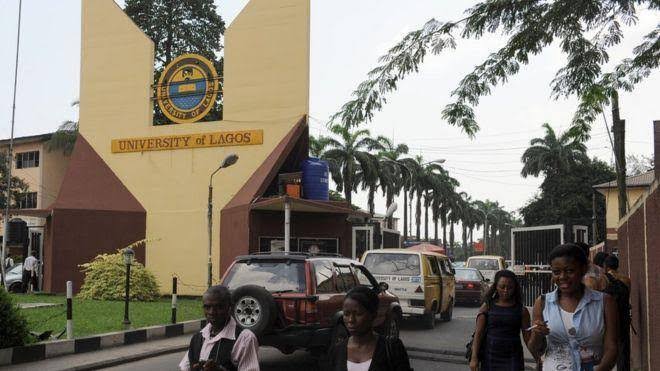
UNILAG has one of the most limited hostel capacities relative to student population. Out of over 55,000 students, less than 25% can be accommodated on campus. As a result, many students live in nearby areas such as Bariga, Akoka, or Yaba, where rent prices have surged.
Some students spend as much as ₦200,000–₦400,000 per year for small apartments, not including transportation costs.
2. Obafemi Awolowo University (OAU)
OAU’s campus hostels are among the oldest in the country, with several in need of renovation. Overcrowding and maintenance issues are common. Although hostel fees are relatively low, many students still prefer to rent off-campus due to poor facilities.
This shift has led to rising rent prices in Ile-Ife, where landlords now charge between ₦80,000 and ₦180,000 for a single room.
3. Federal University Oye-Ekiti (FUOYE)
As one of Nigeria’s fastest-growing universities, FUOYE faces severe hostel shortages. Many students live in nearby towns like Oye and Ikole, where the cost of housing has risen sharply. Transport costs and insecurity have become major concerns.
The Broader Economic Impact
Hostel shortages also affect local economies in university towns. While landlords and transport operators benefit financially, students and their families bear the heavier cost.
Parents now have to budget not just for tuition and feeding, but also for rent, security, and utilities — all of which have become increasingly expensive.
Moreover, universities lose out on potential revenue they could generate if they invested in more hostels. Instead, the money goes into private hands.
Possible Solutions
It’s not all gloom and doom — there are workable solutions to Nigeria’s hostel crisis. Here are some of the most effective ones that could make a real difference:
1. Public-Private Partnerships (PPP)
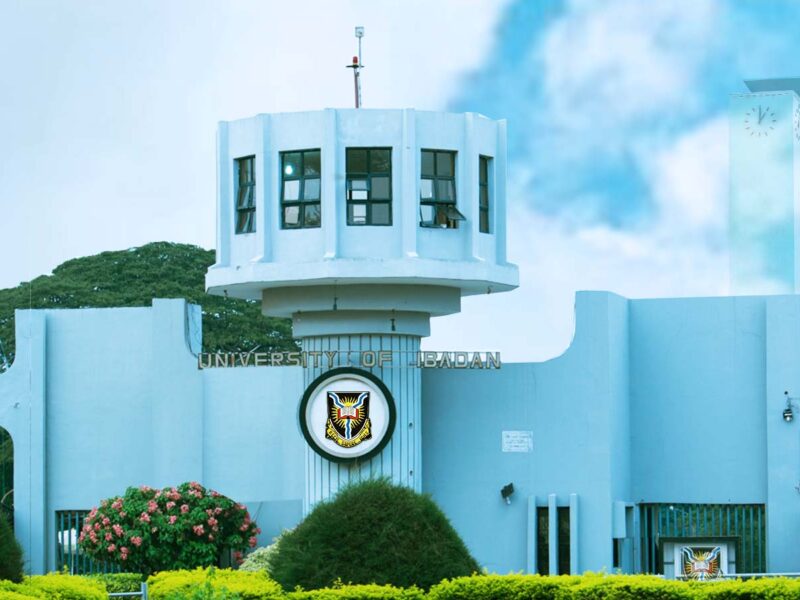
Universities can partner with private developers to build and manage hostels while maintaining affordability for students. Some schools, like the University of Ibadan, have already started implementing this model successfully.
2. Government Intervention
Government funding targeted specifically at hostel development could ease the burden on universities. Low-interest loans or infrastructure grants for student housing could go a long way.
3. Encouraging Cooperative Housing
Students’ unions and alumni associations can play a role by establishing cooperative hostels. These hostels would be owned and managed collectively, ensuring fair prices and better living standards.
4. Renovation and Maintenance of Existing Hostels
Before building new ones, schools need to maintain what they already have. Renovating old hostels can immediately increase capacity and improve student welfare.
5. Affordable Off-Campus Housing Initiatives
Local governments can regulate off-campus rent and encourage the development of safe, affordable student apartments.
Final Thoughts
The shortage of hostels in Nigerian universities is more than an inconvenience — it’s a crisis that affects education, welfare, and equality. When students can’t find decent accommodation, their academic focus suffers, their safety is at risk, and their financial burdens increase.
If Nigeria truly wants to build a strong educational system, student welfare must be at the center of the conversation. Education shouldn’t just be about lectures and exams; it should also provide an environment where students can live, learn, and thrive comfortably.
Until we address the accommodation challenge, many students will continue to pay a hidden price — not just in naira, but in their overall well-being.

 Abdul
Abdul